
Nebraska's Do Not Text Laws target distracted driving, specifically text messaging while driving, with penalties including fines and license points. Data shows a correlation between texting and increased traffic accidents. Enforcement is challenging due to subtle violations. Solutions include app blocks, public awareness campaigns, advanced technologies like mobile activity detection apps, and community engagement through workshops and peer mentorship. Adherence to these laws enhances road safety and reduces texting-related accidents.
Texting while driving has emerged as a significant road safety concern, with laws like Do Not Text Laws Nebraska aiming to curb this dangerous behavior. Despite efforts, violations persist, underscoring the need for enhanced enforcement and education. This article delves into three critical points that license for texting violations, offering a comprehensive guide for law enforcement and motorists alike. By examining these factors, we can better navigate the challenges posed by distracted driving and foster a safer Nebraska road system.
Understanding Nebraska's Do Not Text Laws

Nebraska's Do Not Text laws have been designed to combat the dangers of distracted driving, with a specific focus on text messaging while behind the wheel. Understanding these regulations is crucial for all drivers in the state. Firstly, it's important to recognize that sending or reading text messages while driving is illegal in Nebraska. This includes using any device to compose, send, or read texts, regardless of whether the vehicle is stationary or in motion. The primary goal of this law is to prevent driver distraction and reduce the risk of accidents caused by texting.
Secondly, Nebraska's Do Not Text laws outline strict penalties for violations. Law enforcement officers can issue citations for texting while driving, which may result in significant fines and potential points on a driver's license. Repeated offenses or extreme circumstances could lead to more severe consequences, including license suspension. For example, data from the Nebraska Highway Patrol shows that distracted driving incidents, including text messaging, have led to a notable rise in traffic accidents over the past few years, emphasizing the need for strict enforcement of these laws.
To ensure compliance with Do Not Text Laws Nebraska, drivers should adopt safe practices such as putting their phones away or using hands-free devices only when necessary. Remembering that even a brief moment of distraction can have severe consequences is vital. By understanding and adhering to these regulations, Nebraskans can contribute to safer roads and reduce the risk of accidents caused by texting while driving.
Identifying Texting Violations in Different Scenarios

Identifying texting violations across diverse scenarios is a complex task given the dynamic nature of communication. In Nebraska, Do Not Text laws have been implemented to mitigate risks associated with distracted driving, yet enforcement remains challenging due to the subtle nature of infractions. Understanding these violations in different contexts requires a nuanced approach combining legal expertise and practical observation.
For instance, while overt text messaging during driving is easily identifiable, lesser-known violations include glancing at a phone for quick updates or checking notifications without fully removing focus from the road. This gray area highlights the need for heightened awareness among drivers and enhanced enforcement strategies. Data indicates that even brief distractions significantly increase the risk of accidents, underscoring the critical importance of strict adherence to Do Not Text laws in Nebraska.
Practical insights from traffic experts suggest implementing proactive measures such as enabling phone apps that detect and block text messages while driving. Moreover, public awareness campaigns can play a pivotal role in educating drivers about the subtleties of texting violations. By fostering a culture of responsible driving, Nebraska can strive towards reducing accidents caused by distracted behavior, ultimately enhancing road safety for all users.
Consequences and Penalties for Texting While Driving
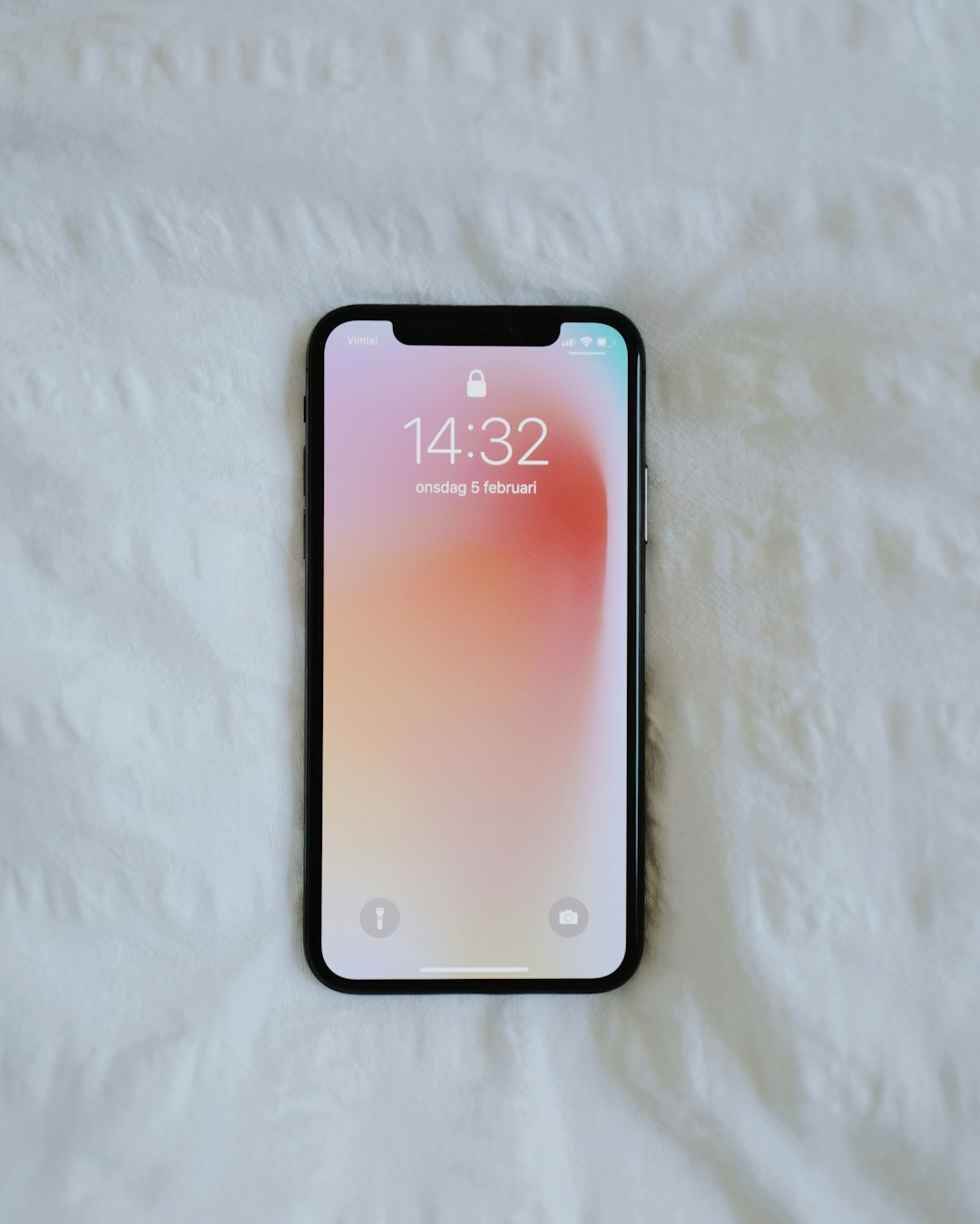
Texting while driving is a significant safety concern, with severe consequences for both individuals and the broader community. In Nebraska, Do Not Text Laws have been implemented to curb this dangerous behavior. The penalties for violating these laws are designed to deter drivers from using their phones behind the wheel and promote safer roads. One of the primary consequences includes fines that can range from $50 to $100 for first-time offenders, with higher penalties for subsequent infractions. These fines are often accompanied by court costs, which can add up significantly.
Moreover, Nebraska's Do Not Text Laws mandate potential license suspensions for repeated violations. For instance, a third conviction within a five-year period may result in a 30-day suspension of the driver's license. In severe cases, especially involving accidents or reckless driving, drivers could face even longer suspensions or other penalties such as community service or attendance at defensive driving courses. The Nebraska Department of Motor Vehicles (DMV) actively enforces these laws through random checks and reports, emphasizing the seriousness of the offense.
Practical advice for drivers is to refrain from any phone use while operating a vehicle. If communication or navigation assistance is required, pull over to a safe location before interacting with your device. Remember, the safety of yourself and others on the road should always take precedence. By adhering to Do Not Text Laws Nebraska, drivers can contribute to reducing traffic accidents and saving lives.
Strategies to Promote Safe Driving and Compliance

The implementation of Do Not Text Laws in Nebraska has been a significant step towards promoting road safety, but ensuring compliance remains an ongoing challenge. To address this, three additional strategies should be integrated to strengthen the effectiveness of these laws. Firstly, enhancing public awareness campaigns is crucial. These initiatives must go beyond simple awareness by educating drivers about the inherent risks associated with texting while driving. For instance, using real-life accident scenarios and personal testimonials can have a profound impact, as research shows that relatable content fosters better comprehension and memory retention.
Secondly, law enforcement agencies should employ advanced technologies to monitor and enforce these laws. Applications that detect mobile activity during suspected distracted driving instances, coupled with in-car cameras, offer a more robust approach to accountability. Nebraska could benefit from adopting similar innovative solutions used in other states, which have shown positive outcomes in reducing texting violations. For example, California's use of automated enforcement systems has led to a 17% decrease in such infractions over two years.
Lastly, fostering community engagement and collaboration with schools and youth organizations can yield long-lasting results. Programs targeting new drivers, incorporating interactive workshops and peer mentorship, have proven effective. By involving young people as advocates for safe driving, we can create a culture of responsibility and compliance, especially given that Nebraska's younger demographic is disproportionately affected by texting while driving accidents.